As we departed for our next destination—the Karen Blixen Museum—I recounted the city’s humble beginnings, forged in the crucible of the ‘Lunatic Express’ railway line. Nairobi’s story is one of dramatic transformation, evolving from a mere watering hole on Maasai land in the late 1800s into a vital railway hub.
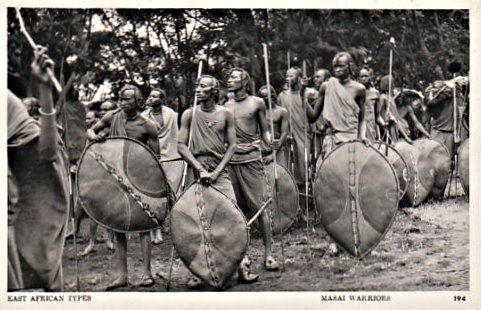
Buffalo and lions once roamed the periphery of these swampy lands, which were largely uninhabited except for the occasional meetings of the Kikuyu and Maasai peoples, who brought their cattle to graze. Wet, infertile, and at a high altitude, this place was called Nairobi, meaning a small stream that bisected a swamp, known by the Maasai as Enkare Nyrobe—‘the land of cool waters’.
This area was never intended to be a settlement, but with the arrival of the Lunatic Express (1895, reaching Kisumu in 1901, and completed in 1903), Nairobi’s destiny changed. Known as Mile 327 by the railway construction workers who reached the city in 1899, they set up a basic camp and a supply depot on a brackish African swamp, now the site of the Globe Roundabout.
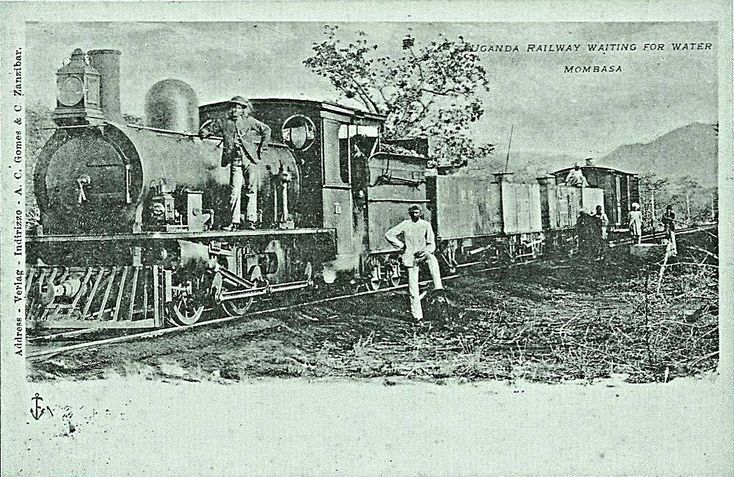
When the railway engineers chose the site, it was only to serve as a depot as they prepared for one of the most challenging engineering feats in railway building: the climb to the highlands and the perilous descent into the Rift Valley. They also chose Nairobi for its proximity to rivers to supply their camps. They set up a signboard labeled Nyrobe, which was later changed to Nairobi, on the plains. There was no plan beyond that; Nairobi was merely one link in a chain of such supply depots.
By 1900, the town consisted of a single street, driven by commerce as South Asian railway builders, also known as “coolies,” settled in tin shacks on the plain. Nairobi had by then become somewhat of a ‘wild west’ of the African interior. Its altitude of 1,661 meters meant lower temperatures, which made the camp a rustic village and then a shanty town.
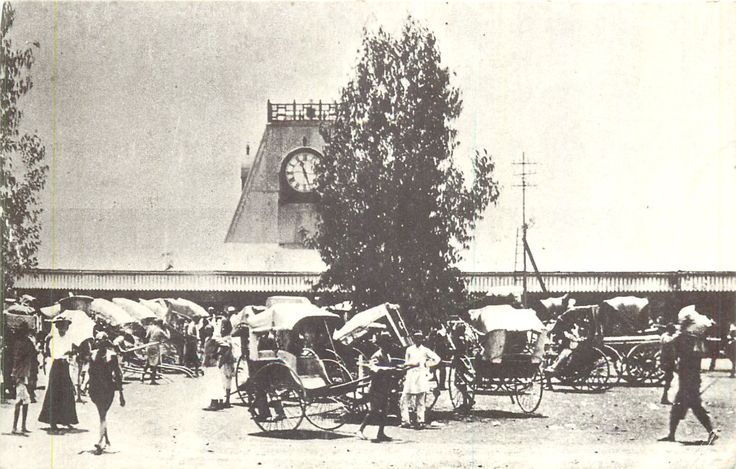
By 1905, Nairobi was already a humming commercial center and replaced Mombasa as the capital of the British East African Protectorate (1895-1902). In 1906, Nairobi had about 14,000 residents.
Soon, in 1907, Mile 327 evolved into a small village, attracting hunters, adventurers, and fortune-seekers drawn by the cool climate and plentiful water. Eccentric characters from all corners began to flock to the blossoming new town.
With electricity reaching Nairobi in 1908, this spark ignited a firestorm of growth, and within a decade, Nairobi had become a city, the beating heart of British East Africa. A voluntary fire brigade was set up in Nairobi in 1909, and it received its city status by Royal Charter in 1950.
Our passion for nature and travel is reflected in our understanding of the need to experience the natural environment in a sustainable and unique way.
Our commitment to you is “The Perfect Balance between Nature & Discovery, Adventure & Luxury”…