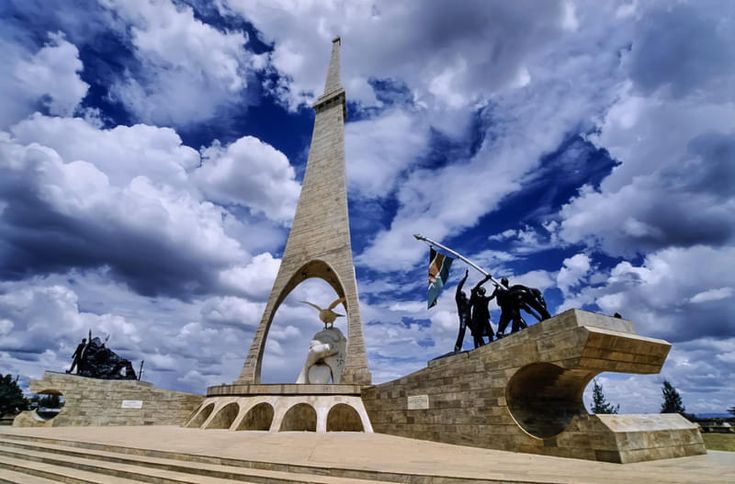
From the “Bogani” house, we drove along Lang’ata Road. Olga’s curiosity led her to inquire about the iconic 100-foot Uhuru Monument at Uhuru Gardens, a towering tribute to Kenya’s journey to independence. “On December 12, 1963, the Kenyan flag unfurled its colors for the first time at Uhuru Gardens, marking a pivotal moment in our nation’s history,” I narrated, immersing them in the significance of this monumental event.
“Kenya transitioned from being the East Africa Protectorate to a British Colony in 1920. Initially claimed as the Sultan of Zanzibar’s territory during the Berlin Conference of the 1880s, it was conceded in 1887 to the British East Africa Association (later Company) and in 1888, it was granted a royal charter by the British Government. In 1895, the British government made Buganda a protectorate and paid the company £250,000 to surrender its charter for the area that is now Kenya. The East Africa Protectorate was declared in 1902, with Sir Arthur Hardinge as the first commissioner.
We approached the Nyayo National Stadium, which opened in 1983 with the vision of providing modern training facilities for Kenyan athletes. The completion of Nyayo National Stadium, then a state-of-the-art venue by international standards, elevated Kenya’s status among nations equipped to host international games. Among the prestigious sports events held in this stadium were the 4th All-Africa Games in 1987 and the 2010 Africa Championships in Athletics. Currently, the stadium is mostly used for football matches.
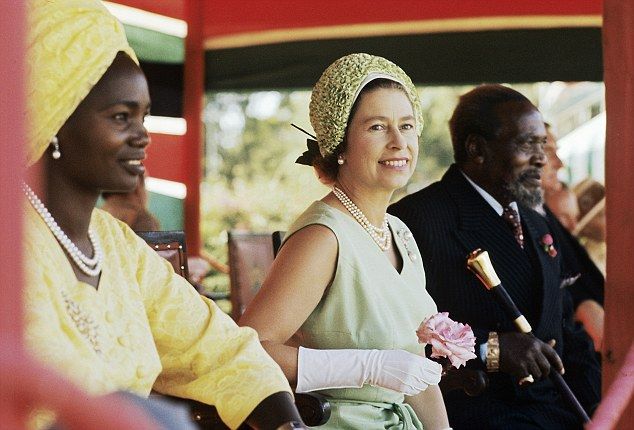
We then turned onto what was formerly known as Princess Elizabeth Way, named after Queen Elizabeth II while she was still a princess. Her father died while she was visiting Kenya on February 6, 1952, and she was crowned Queen in Kenya. The street is now referred to as Uhuru (Freedom) Highway.
“During the 1950s, we fought back through the Freedom Movement, the Mau Mau uprising,” I continued. “The Mau Mau uprising began in 1952 as a reaction to inequalities and injustices in British-controlled Kenya. From around 1890, the British began to move inland, hoping to gain access to the fertile highlands and provide greater security for Uganda, which had also been claimed as a British colony. To facilitate this, a railway line from Mombasa to Kisumu was built using Indian workers, and British forces were sent to suppress any resistance from the ethnic groups living in the central highlands—predominantly the Maasai, the Kikuyu, and the Kamba.”
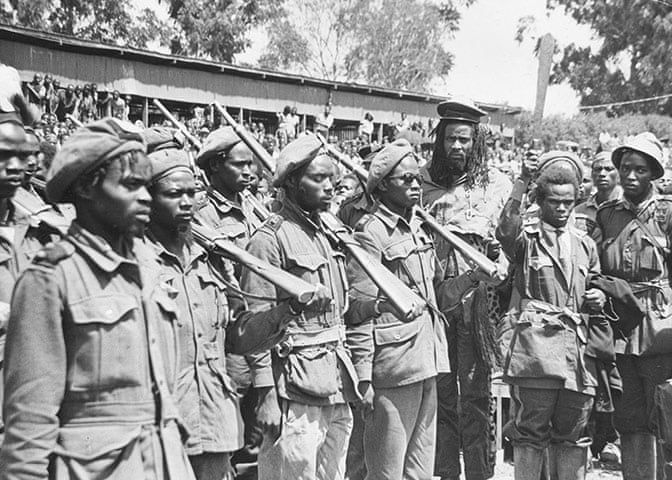
“The response from the native African populace was initially mixed between hostility and welcome. However, British displays of force intended to intimidate locals into submission, such as shooting Africans at random, quickly led to the withdrawal of any hospitality from those living in the interior.
While the Maasai generally avoided military confrontation with the British, the Kikuyu attempted to mount some resistance to the intrusion of imperial forces into their land. This resistance was met with brutality from the colonialists, who carried out executions and punitive expeditions to hunt down Kikuyu and Kamba people. These actions were also undertaken to elevate collaborators—Africans willing to cooperate with the British—to positions of power.”
Our passion for nature and travel is reflected in our understanding of the need to experience the natural environment in a sustainable and unique way.
Our commitment to you is “The Perfect Balance between Nature & Discovery, Adventure & Luxury”…