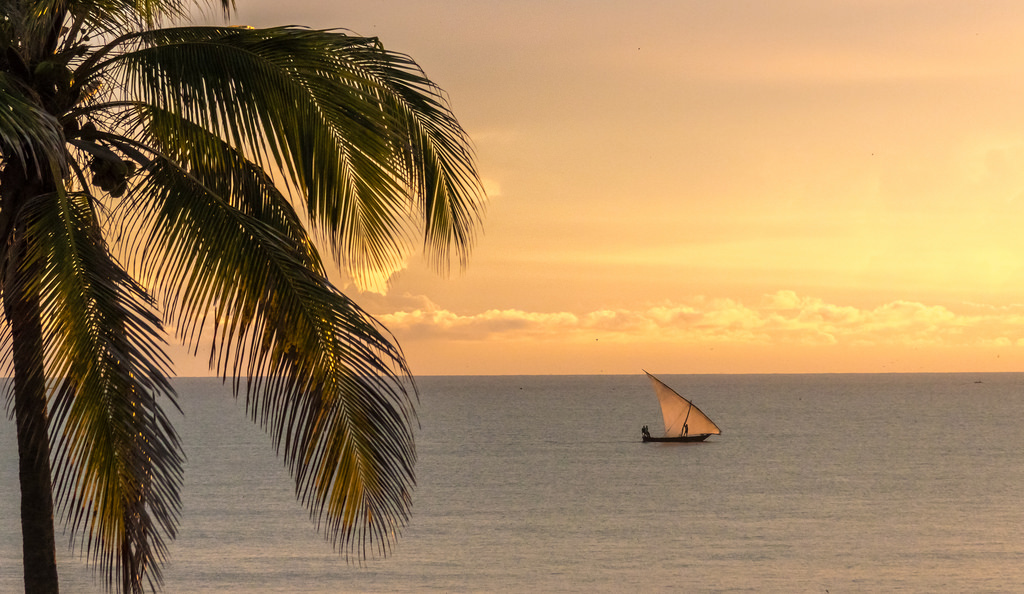
Hot dry monsoon winds catch the boat’s sail as our captain’s gaze across the Indian Ocean turns glossy. The ocean simmers and ripples in bright orange as it reflects the late evening sun. He squints his eye in a thoughtful mood, searching deep into his memories.
He’s narrating to us one of the most important, controversial, hotly contested and silently dealt with topics in African history, the East African slave trade.
We’re on a traditional Arab dhow, having just left Shimoni caves on an excursion to Wasini Island for snorkeling and sight seeing. Close to the border of Tanzania, you can sail to it from Diani Beach or Shimoni , or like Omani Arabs, to the Islands of Zanzibar and Pemba.
But who were the Omani? What’s the Portuguese connection to the East African coast? What better way to learn more about the local history than from a veteran seafarer?
The captain, adjusting the boat’s sails, has told this story many times over and in time, has been able to fill in gaps missing in the narrative from our history books.
It is the story of the slave trade at the East African coast.
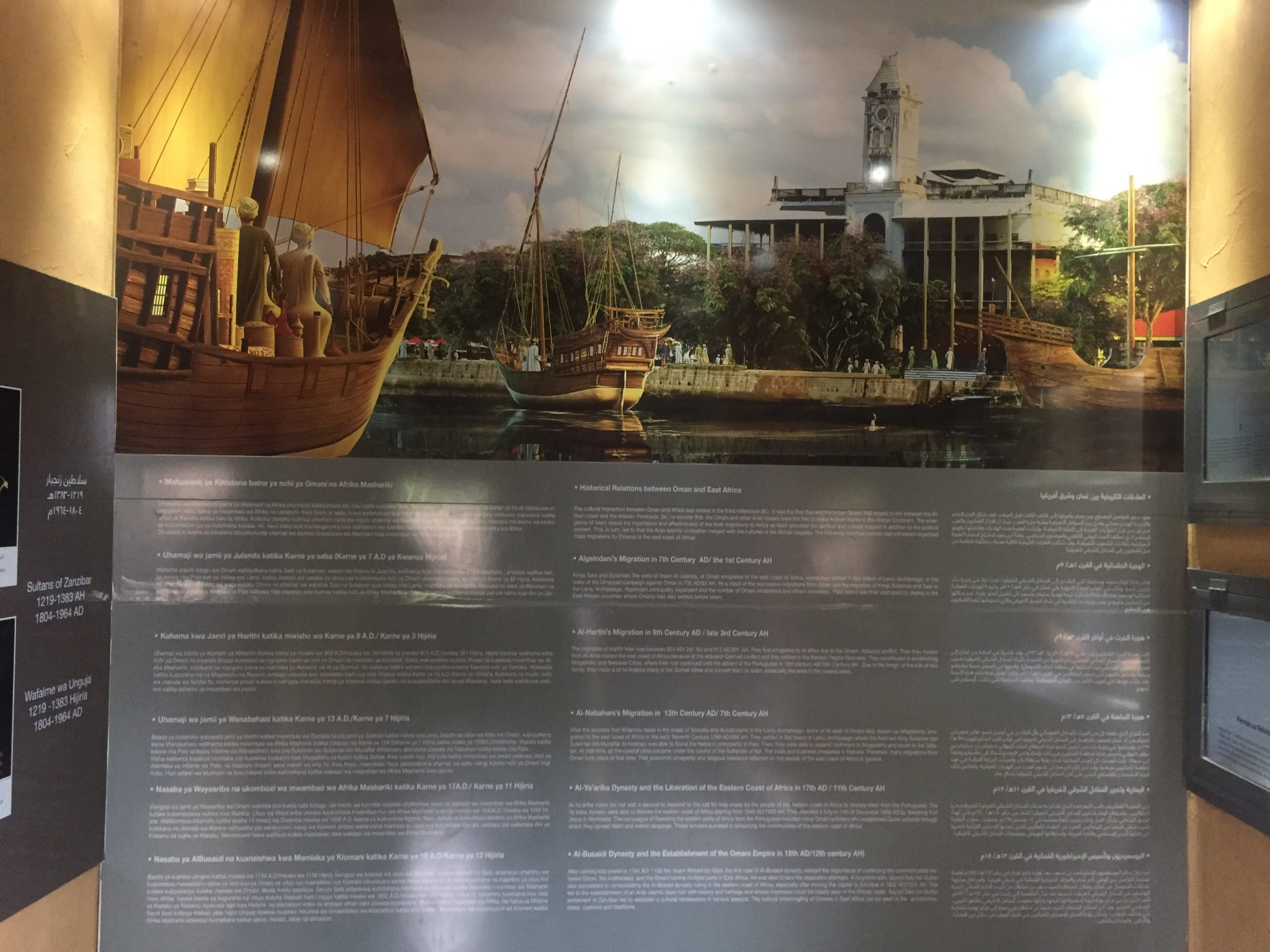
The coast’s written history stretches much further back than the history of the interior, and is essentially a tale of trade and conquest, with outside forces.
By the 1st century AD, Yemeni traders were in East Africa, driven by the north-east monsoon season from November until March, prompting one unidentified Greek observer to write about ‘Arab captains and agents, who are familiar with the natives and intermarry with them, and who know the whole coast and understand the language’.
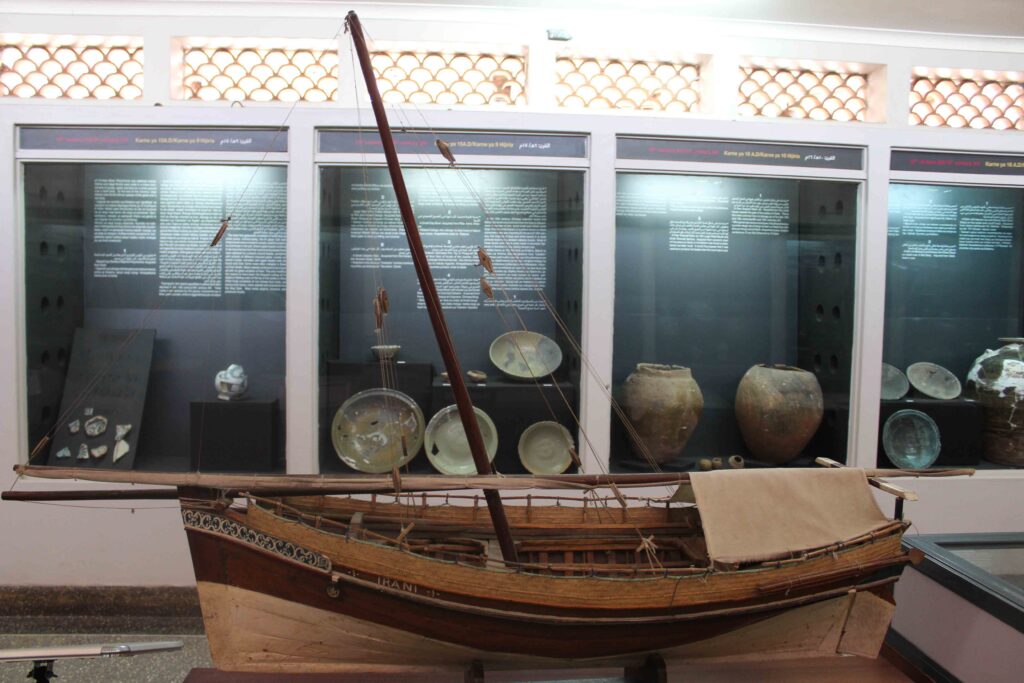
In the 8th century, Arab dhows began docking regularly in East African ports as part of their annual trade migration, returning with the south-west winds in April. The dhows have remained a constant feature throughout the history of the East Africa coast. To this day they ply the run from Wete to Shimoni in Kenya and, when the winds are favourable they plough through to Northern Mozambique.
In their wake, Arabs set up trading posts along the seaboard, intermarrying with Africans and creating a cosmopolitan culture that, in time, became known as Swahili. Before long, there were Arab-Swahili city states all along the coast from Somalia to Mozambique; the remains of many of these settlements can still be seen, most notably at Gede, Malindi.
By the 10th century, the present-day coastal region of Kenya and Tanzania was known as the ‘Land of Zanj’. A merchant class emerged as the ruling elite, which traded with each other leopard skins, tortoise- shell, rhino horns, ivory and, most importantly, slaves and gold – and with visiting sea captains from Arabia and Persia, India and China trading in pottery, glass, porcelain, cloth, beads, cooking pots and brass oil-lamps.
In the fourteenth century, the Mahdali clan from Yemen took over Kilwa, 300km south of Zanzibar, with historian Ibn Battuta describing it as ‘a great coastal city’ in 1331. The island marked the southernmost limit of travel for Arab dhows.
Chinese merchants arrived at the East African coast between 1405 and 1433. Official relations between the Ming Court in Beijing and the ruling elite saw the emperor being gifted a live giraffe.
Known as the “Spice Islands”, ports included Shanga, Gede, Lamu and Mombasa as well as Zanzibar and Pemba. For more than 700 years, up to 1450, the Islamic world was virtually the only external influence on sub-Saharan Africa, especially at the coast.
True, the mixture of Arabs, local Africans and Persian traders gave birth to the Swahili culture and language – its roots traced back to Niger-Congo. Indeed, the word swahili is a derivative of the Arabic word for coast – sawahil/sahel.
But the Swahili were not the only inhabitants of the coast.
Of particular note were the Mijikenda (Nine Homesteads), a Bantu tribe whose homeland, according to oral history, was located somewhere in southern Somalia. Six hundred years ago they began filtering into the coast and established themselves in kayas, which are dotted from the Tanzanian border to Malindi. These ‘homesteads’ consist of the Giriama, Chony, Duruma, Digo, Rabai, Ribe, Kauma, Jibana and Kambe sub tribes and share similar cultures.
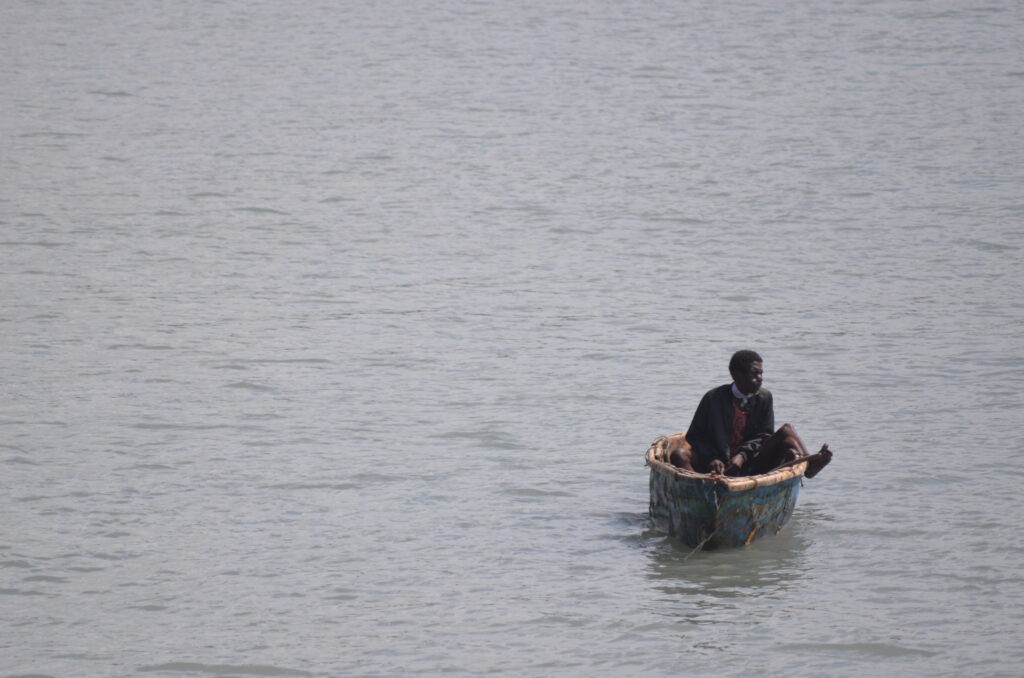
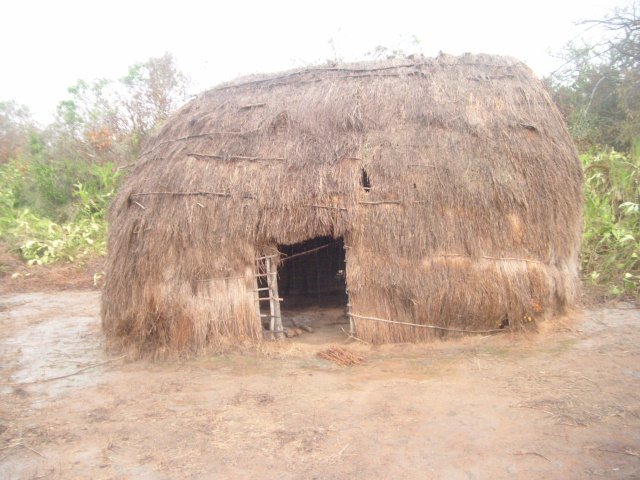
Between the 7th and 19th centuries, Arab and Swahili traders kidnapped some four million people from East Africa, and sold them for work in households and plantations across the Middle East and Arab-controlled African colonies.
The slaves were obtained through trade with inland tribes, but as the ‘industry’ developed, caravans set out into the African interior, bringing back plundered ivory and tens of thousands of captured men, women and children.
Of these, fewer than one in five survived the forced march to the coast, most either dying of disease or being executed for showing weakness along the way.
The coast was the place where Arabs came to get slaves to carry off to the Gulf. They kept them hidden in the natural caves, such as Shimoni, on the creeks along the shore, and bore them away at high tide in the holds of their dhows, together with their other cargo, sliding out in dark waters bathed by the moon.
Shimoni consists of several caves extending 5 kilometers inland, and were formed millions of years ago by coral polyps under the sea. The captives were kept chained to each other before being shipped across to the biggest slave market in Zanzibar.
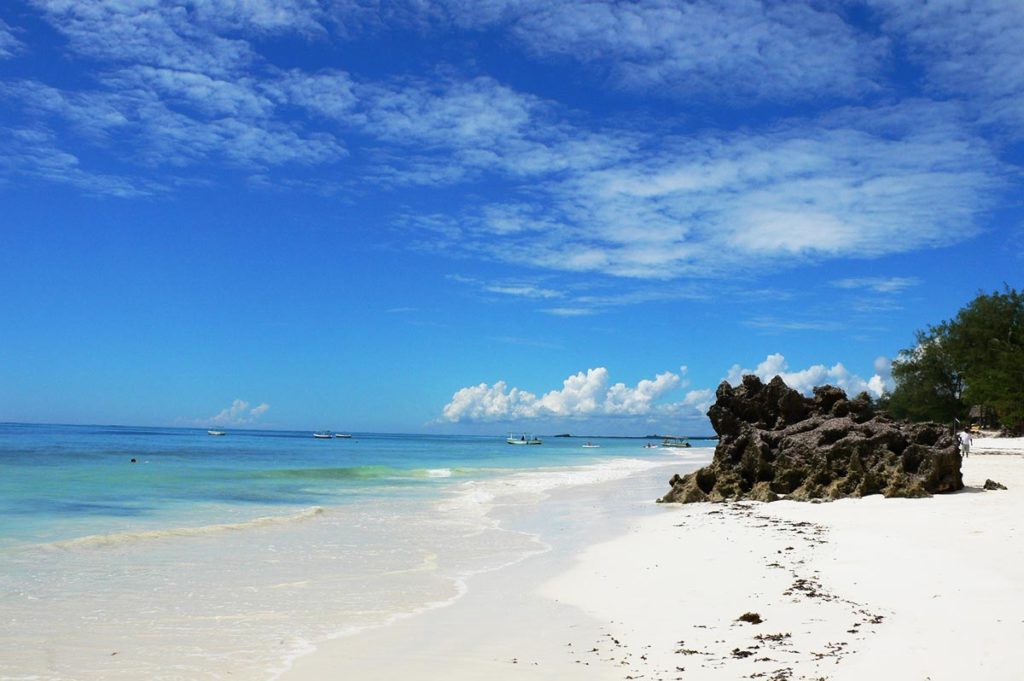
Still, the riches of this region never failed to attract attention.
Arab-Swahili domination on the coast received its first serious challenge with the arrival of the Portuguese in the 15th century, spurred by the tales of gold and riches that traders brought back from their travels.
In 1497 while on his pioneering voyage along the coastline of South and East Africa, Vasco da Gama found Arab dhows at the Zambezi delta loaded with gold dust.
During the same period Europe was desperately short of labour as it struggled to recover from the effects of the Black Death (1347–51). The plantations of southern Europe were initially worked by captive Muslims and Slavic peoples (hence the word ‘slaves’), but with access to Africa a whole new labour market opened up.
The Portuguese consolidated their position on the East African coast through blatant force and terror, justifying their actions as battles in a Christian war against Islam.
They sailed their heavily armed vessels into the harbours of important Swahili towns, demanding submission to the rule of Portugal and payment of large annual tributes.
Towns that refused were attacked, their possessions seized and resisters killed. Zanzibar was the first Swahili town to be taken in this manner (in 1503).
In 1505, they had completely taken over Malindi – which formed a hasty alliance – and declared it the seat of the government for the Viceroy. This hastened the fall of Mombasa – known then as Manbasa by the Arabs, and Kisiwa cha Mvita(Island of War) in Swahili – in the same year.
It was paramount that they secure Mombasa by virtue of its position and fine harbours. A thriving centre ruled by the Shirazi families alongside Malindi and Kilwa, little is known of the earlier years of Mombasa prior to the arrival of the Portuguese.
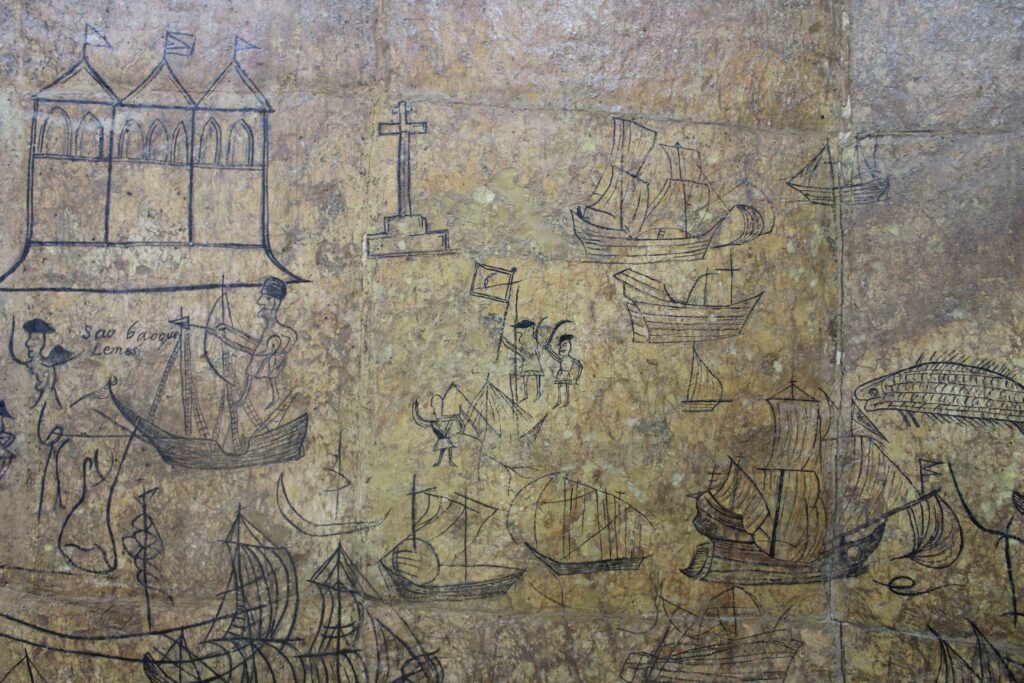
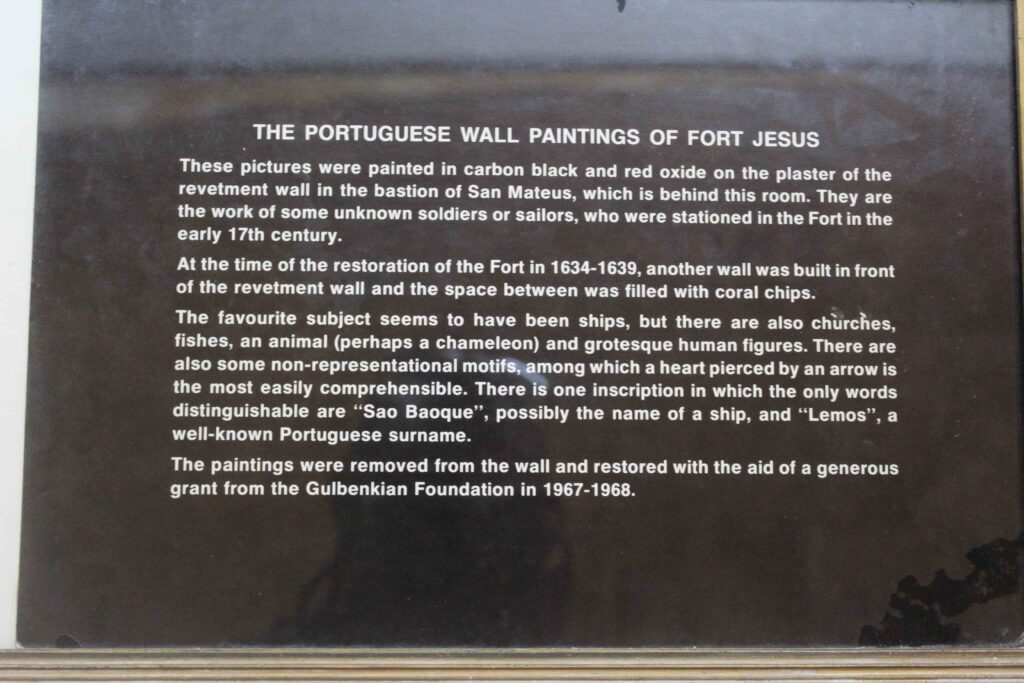
Unlike Malindi, it was not receptive to the Portuguese and this relationship deteriorated fast over the entire era of their occupation of the East Africa Coast.
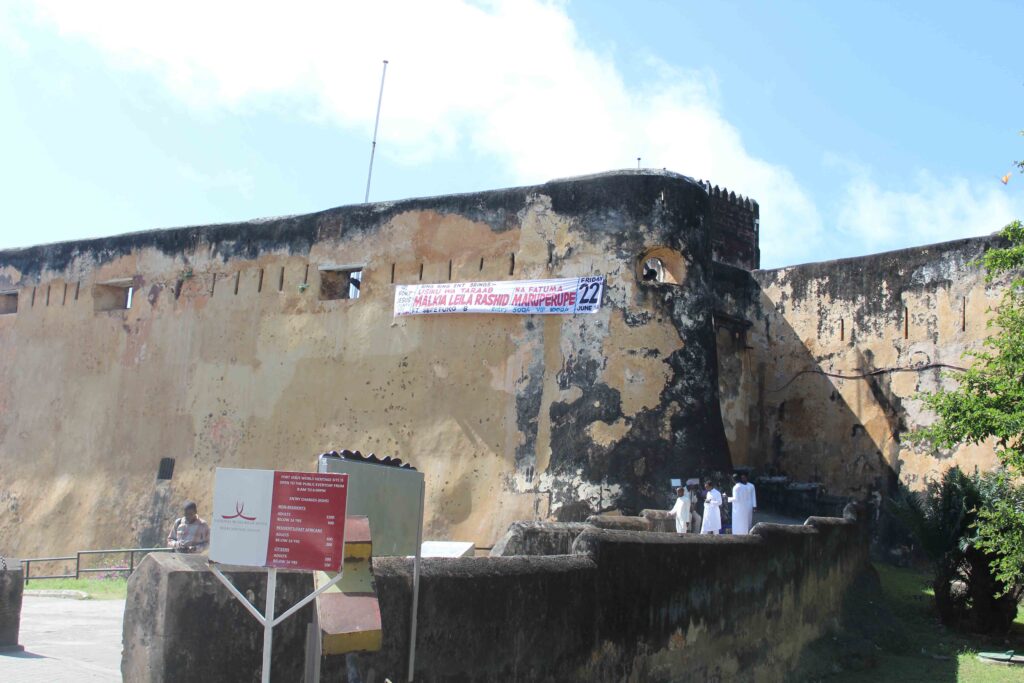
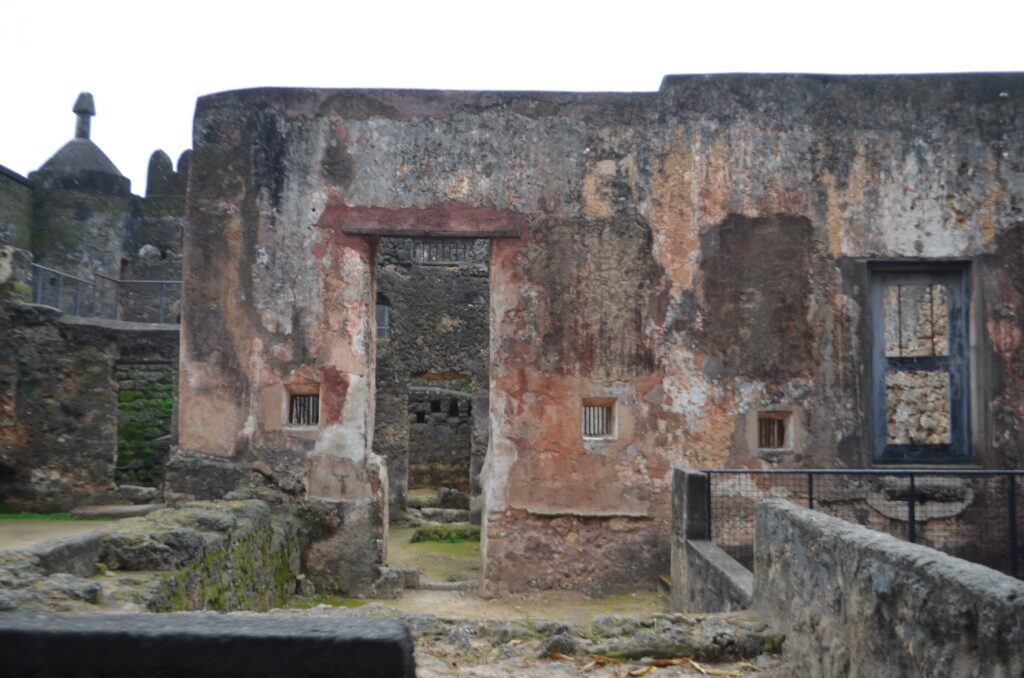
The Portuguese built Fort Jesus Museum in 1593 to secure their safety from frequent raids.
The Swahili did not take kindly to becoming slaves (even if they traded them), and rebellions were common throughout the 16th and 17th centuries. In East Africa, around 50,000 slaves passed through the markets every year – nearly 44% of the total population of the coast.
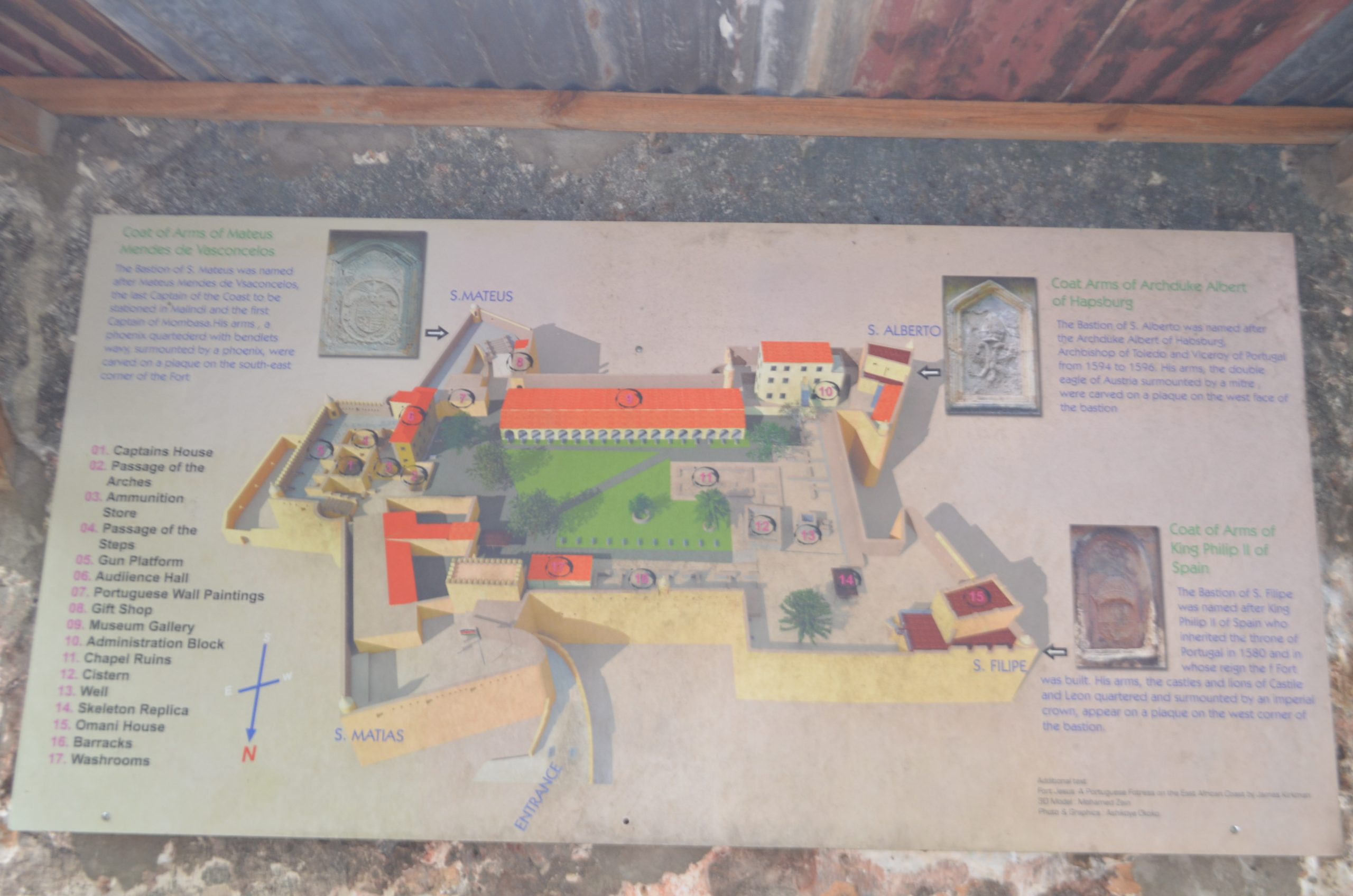
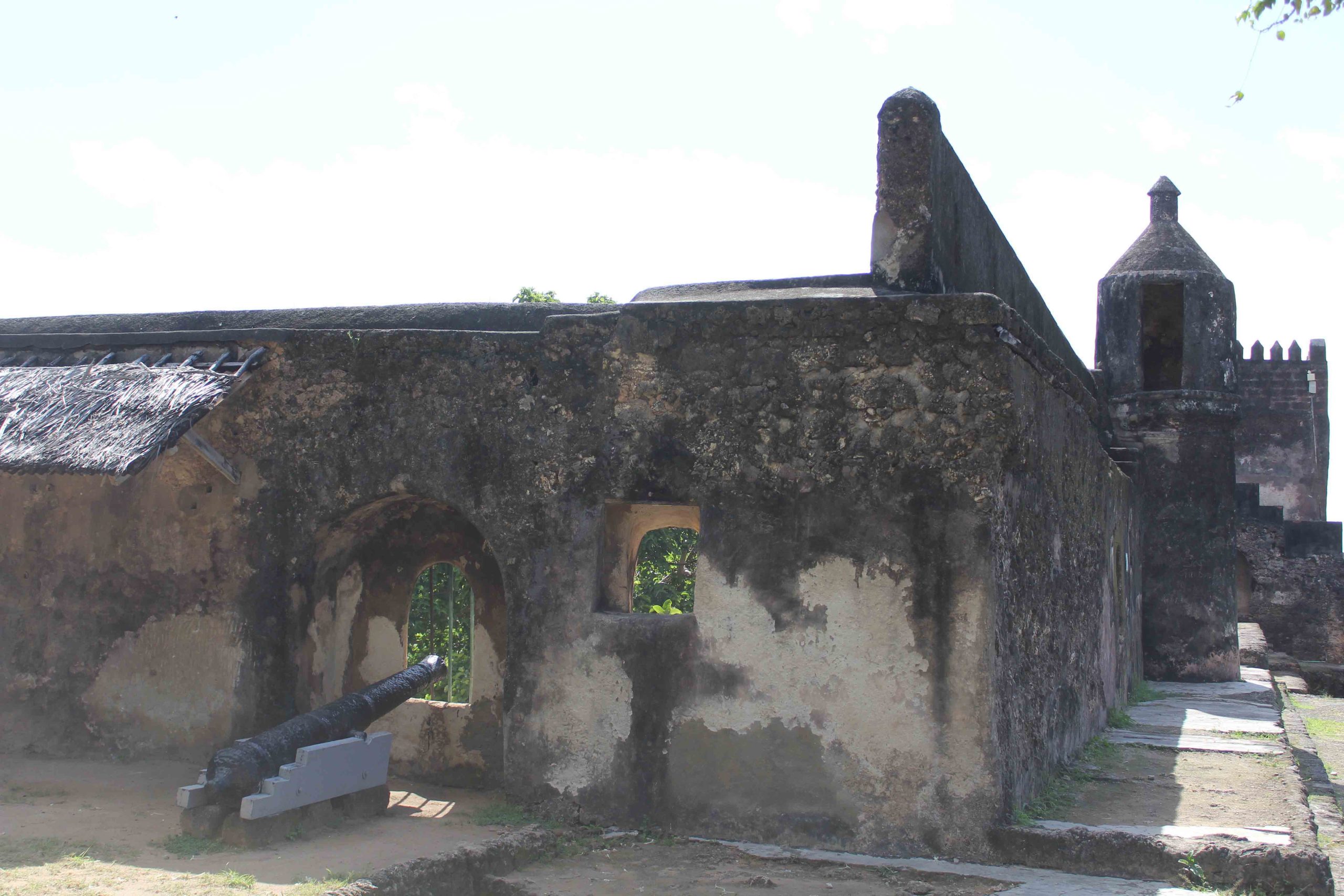
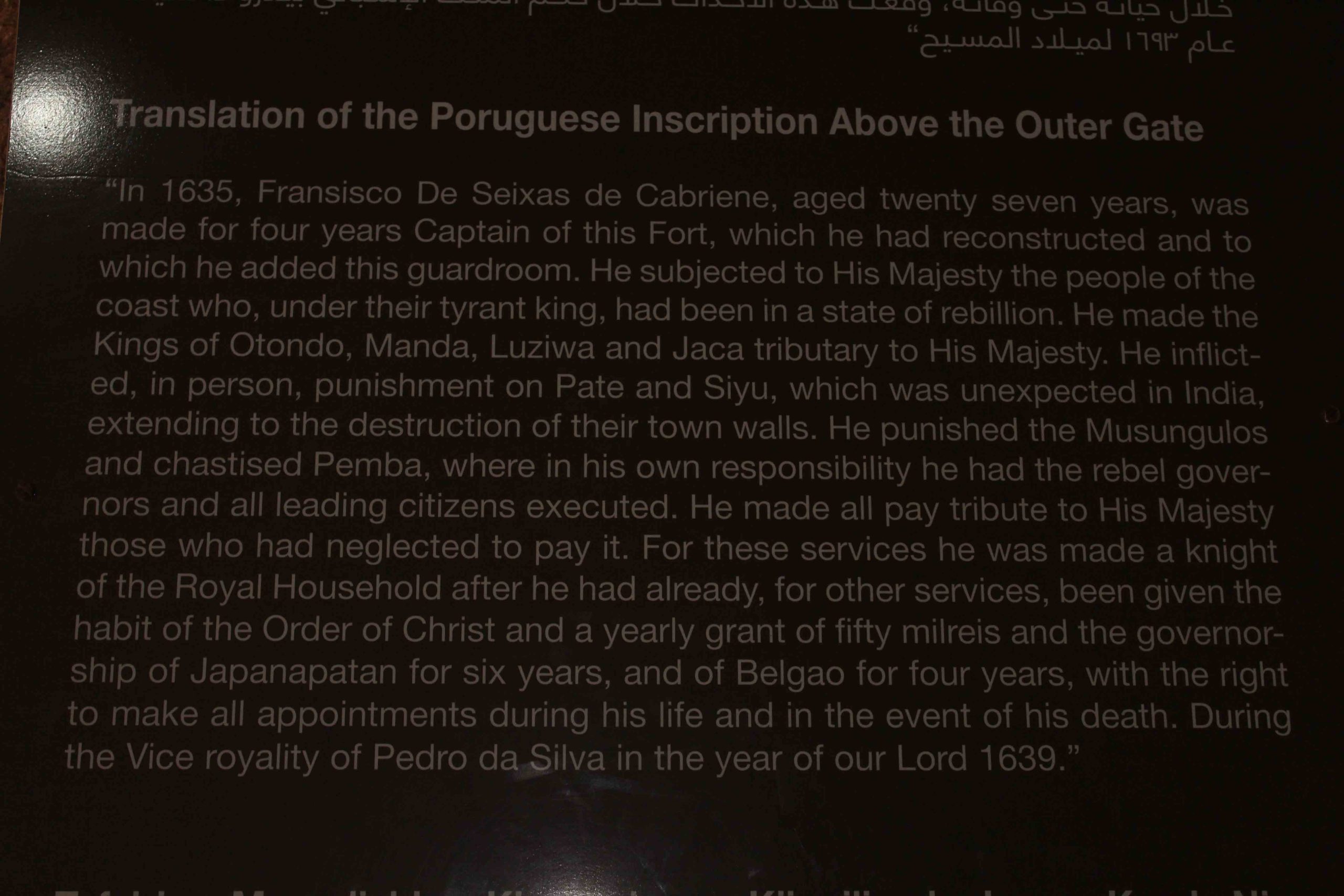
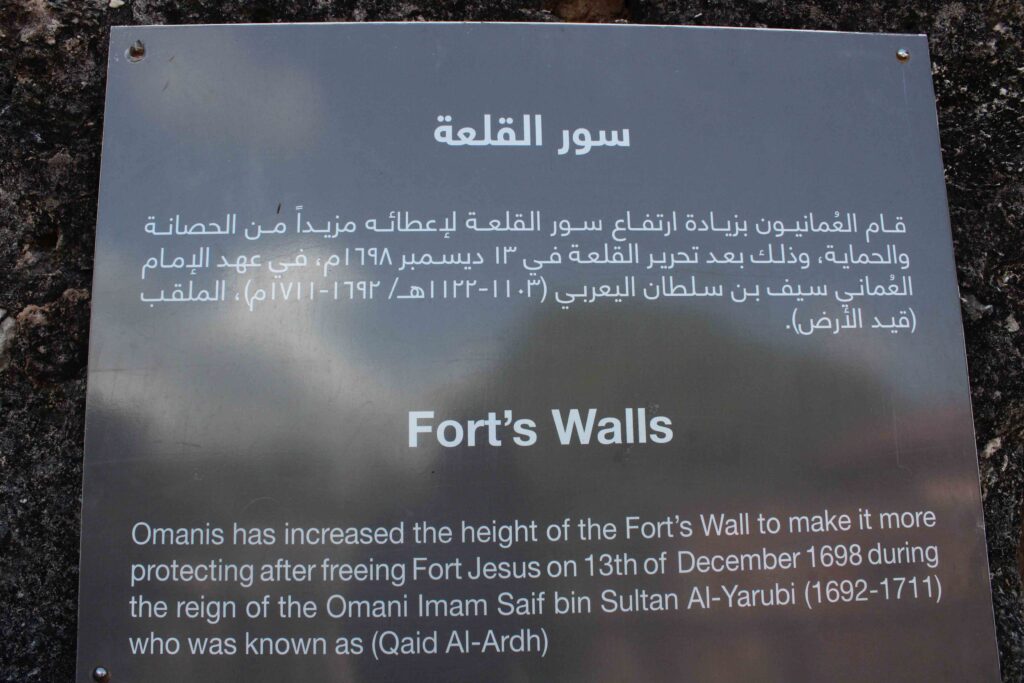
The Sultan of Muscat (now Oman) seized Pemba Island Tanzania in the early 17th century, and after a three-year-long siege, the Omani Arabs captured Fort Jesus in 1698 and became the overall rulers of the Swahili coast for the next 200 years.
It’s fashionable to portray the Portuguese as villains, but their replacements, the sultans of Oman, were no more popular. Fort Jesus was used as a centre for the Omani Sultanate while also facilitating the safe movement of thousands of slaves to waiting ships.
Sultan Seyyid Said was so enchanted by the “Spice Islands” that in 1840 he installed himself in Zanzibar and ruled Muscat from there.
Said’s huge coastal clove plantations created a massive need for labour, and the slave caravans of the 19th century marked the peak of the trade in human cargo.
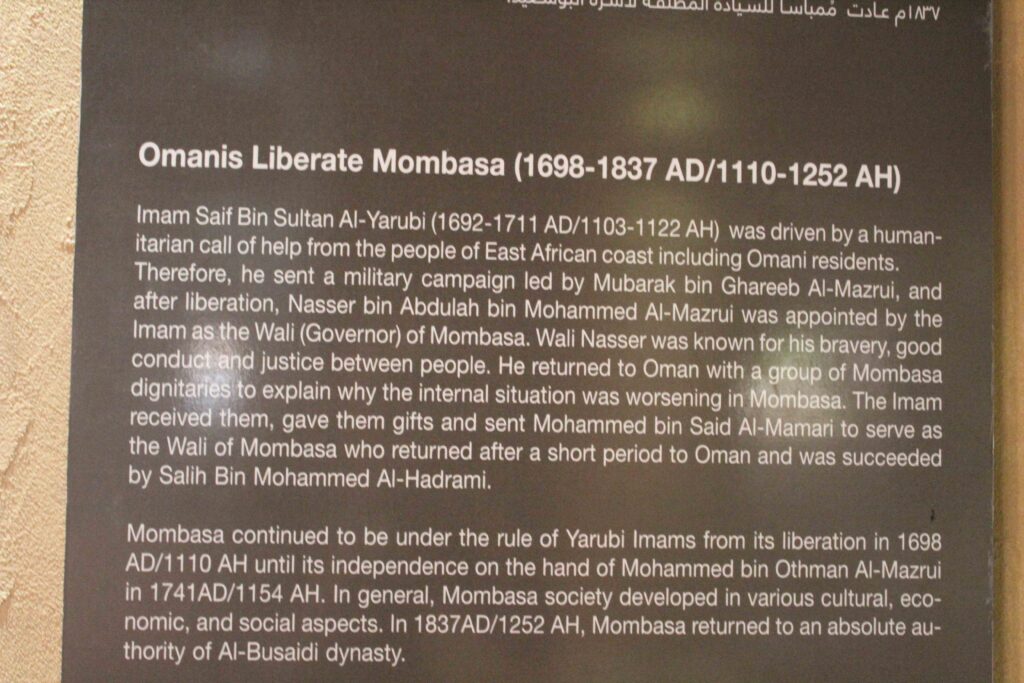
Despite their shared faith, the natives of this ribbon of land staged countless rebellions and passed Mombasa into British hands from 1824 to 1826 to keep it from the sultans.
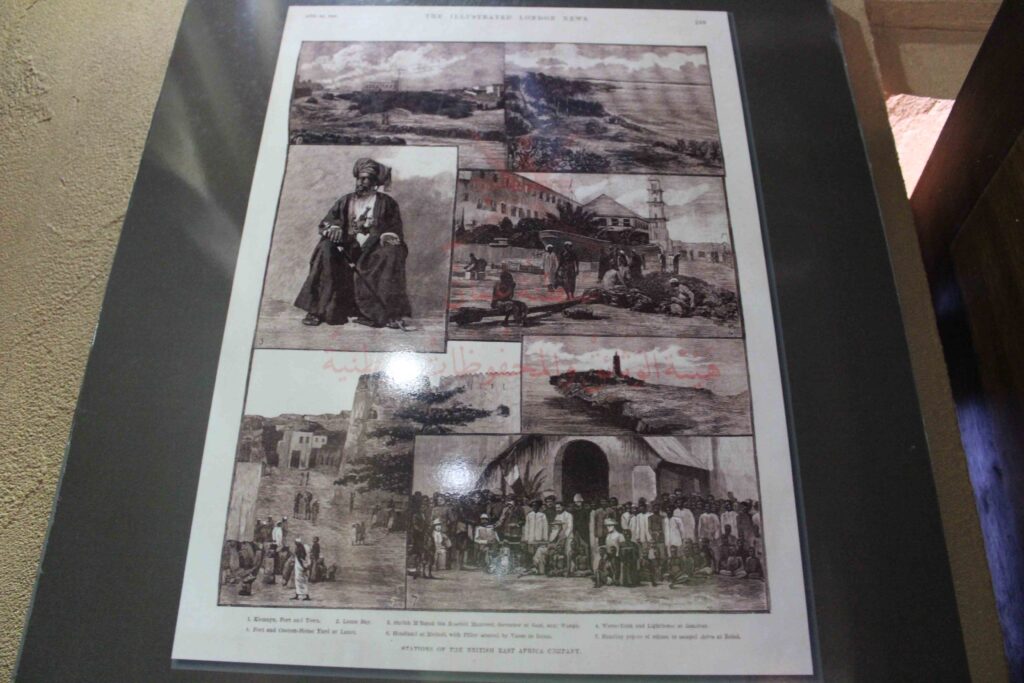
News of massacres and human rights abuses reached Europe, galvanising the British public to demand an end to slavery. Through a mixture of political savvy and implied force, the British government pressured Said’s son, Barghash, to ban the slave trade on 5thJune 1873, marking the beginning of the end of Arab rule here.
All the while, the Arab dhows would ply the trade winds down from the Arabian Peninsula to East Africa. With the winds they would take cloves to India, textiles back to the Arab lands and silver and wood to the Spice Islands.
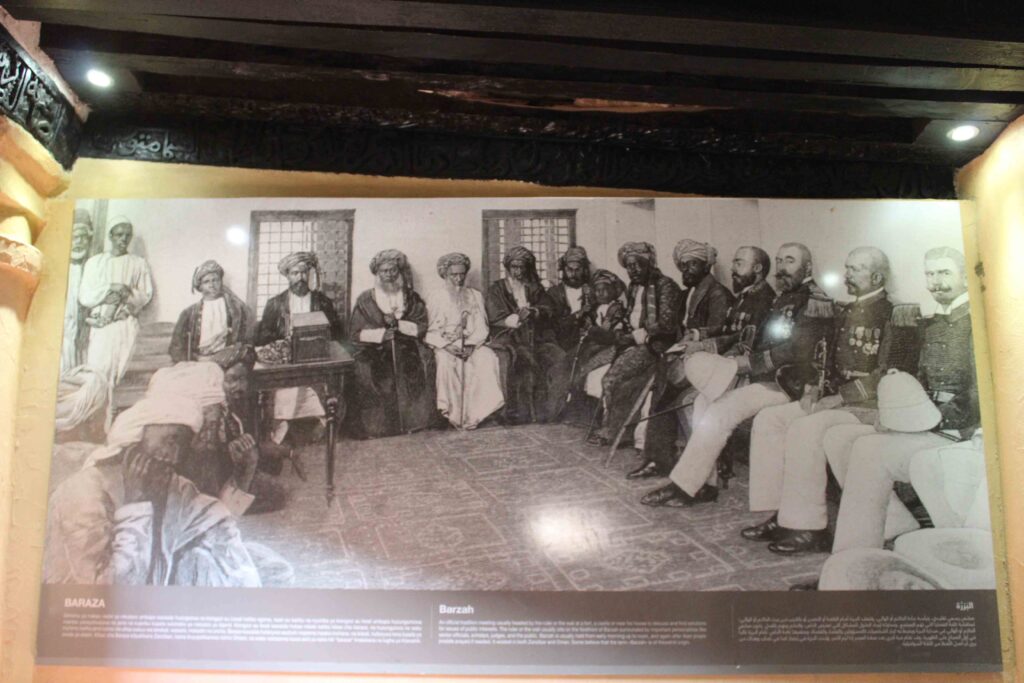
The notorious Zanzibari slave trader Hamed bin Muhammed el Murjebi, better known as Tippu Tip, born to a Swahili father and an Omani mother, played a huge role in capturing slaves from the hinterlands. Overall, close to 600,000 slaves were sold through the Zanzibar market between 1830 and 1873.
The British Royal Navy had to be used to put down the remaining slavers who had rebelled at Mombasa and Kilwa in 1875-1876.
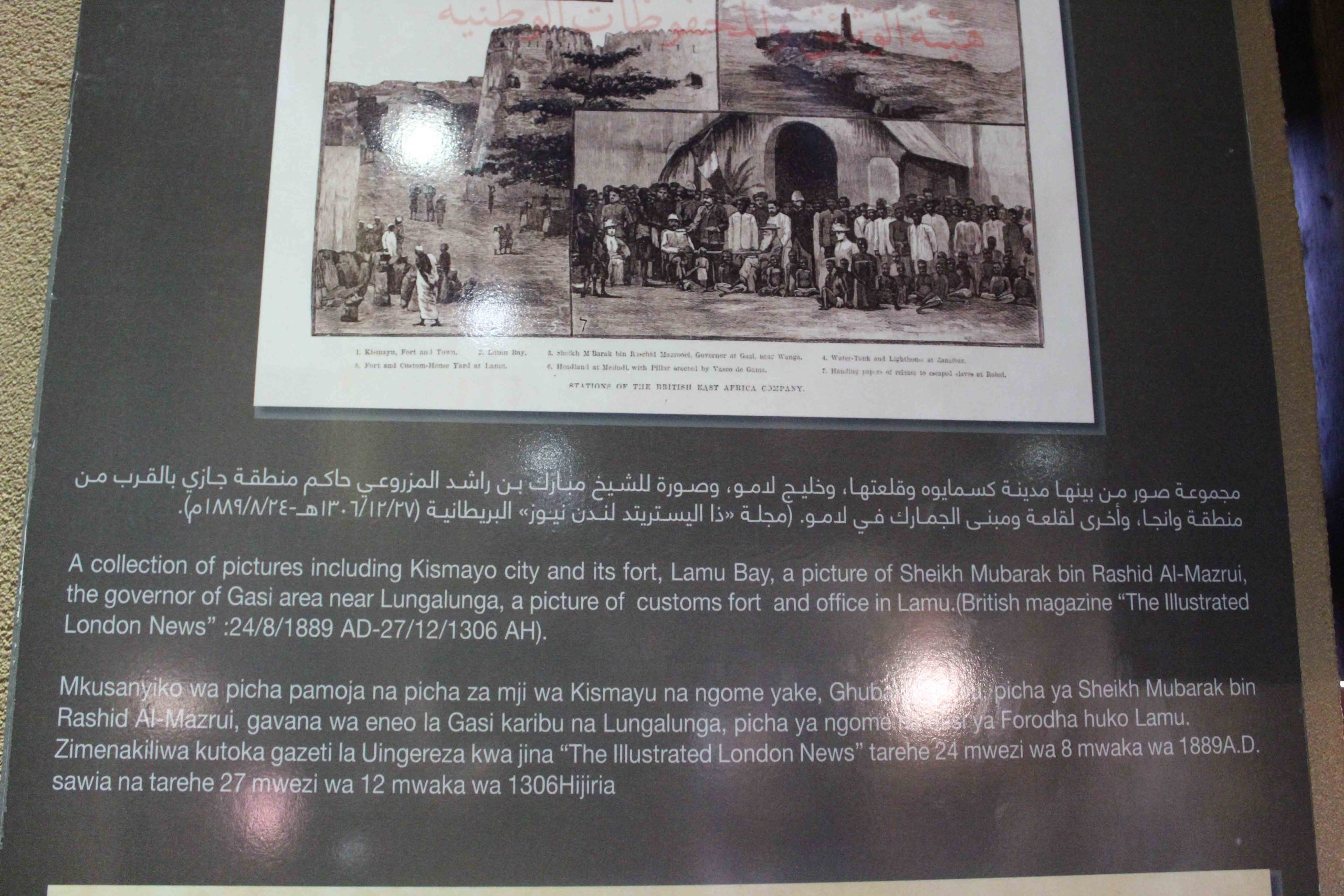
As part of the treaty, the British East Africa Company took over administration of the Kenyan interior, and it took the opportunity to start construction of the East African Railway.
A 16km-wide coastal strip was recognised as the sultan’s territory and leased by the British from 1887. Upon independence in 1963, the last sultan of Zanzibar gifted this land to the new Kenyan government.
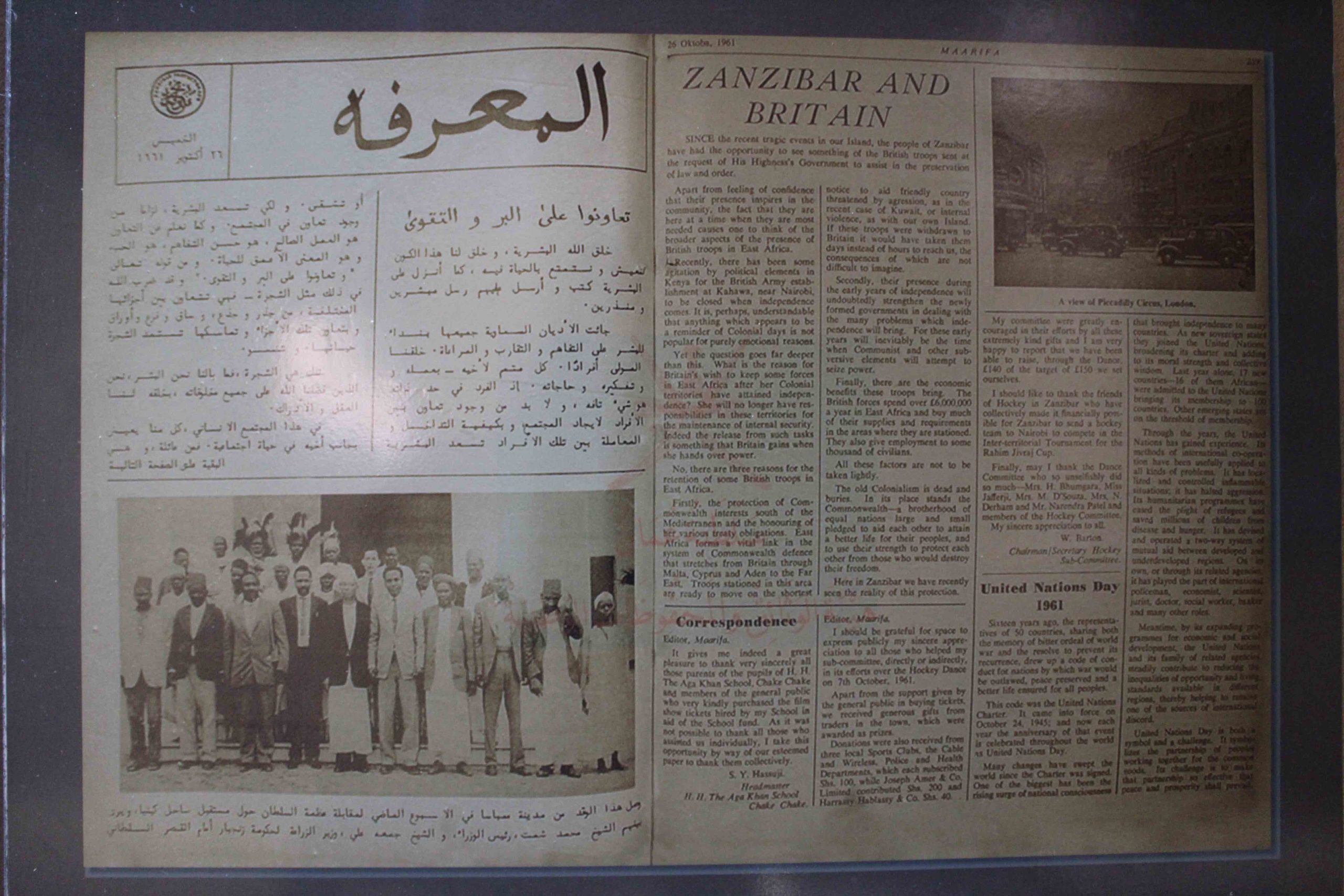
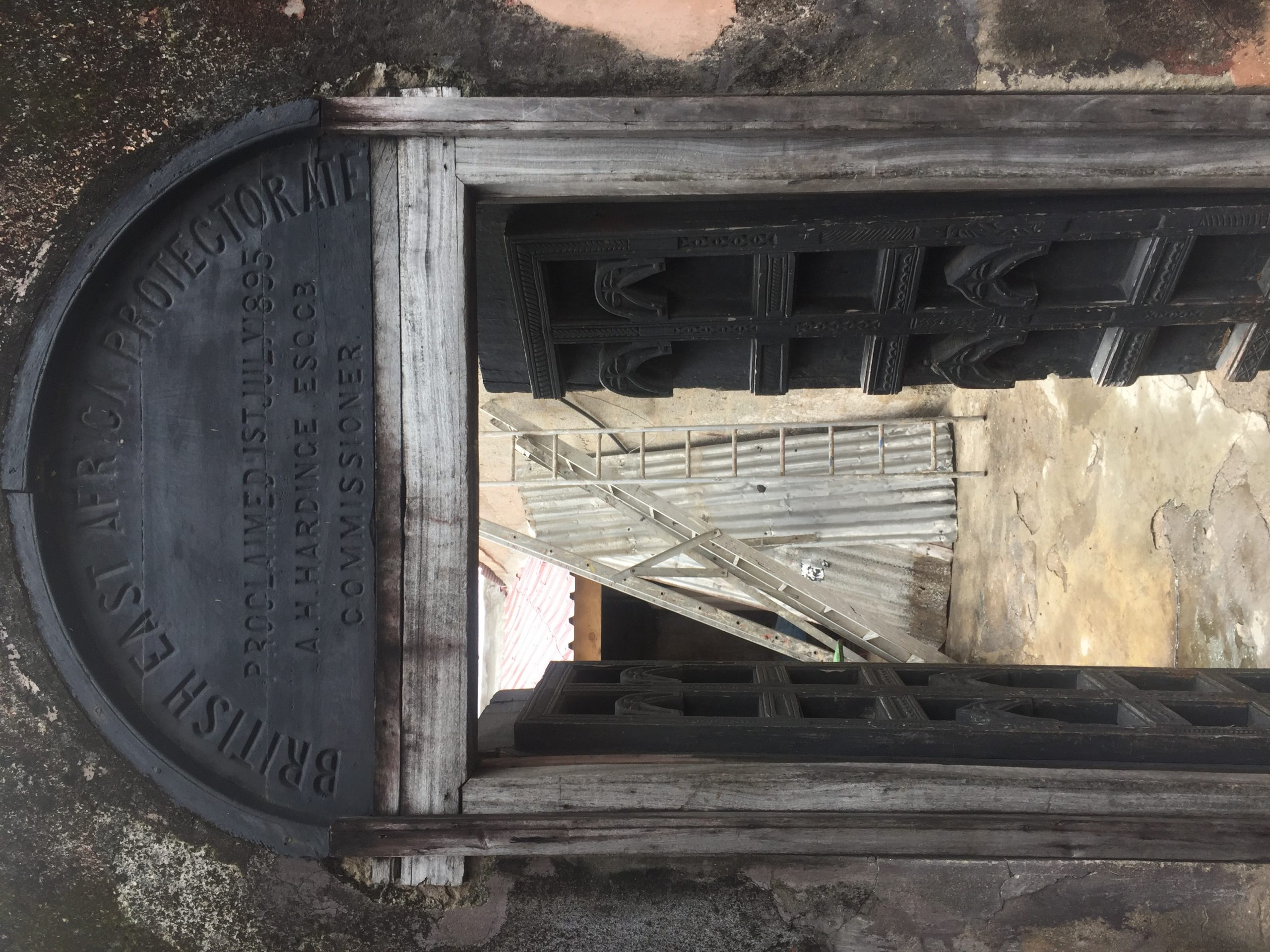
The East African slave trade both predated and exceeded the Atlantic triangular trade. Slaves left Africa via the Sahara, the Red Sea, the Atlantic and the East African coast. The total estimated number of slaves exported from tropical Africa between 1500 and the late 1800s is put at 18 million; two million of them went through the East Africa coast.
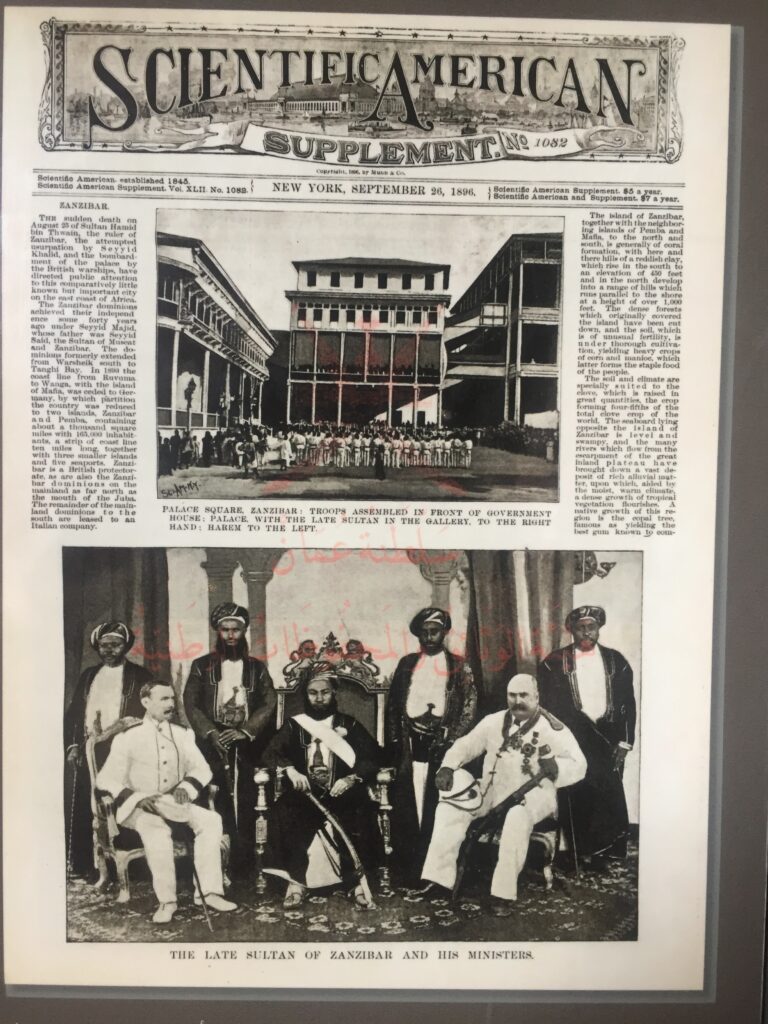
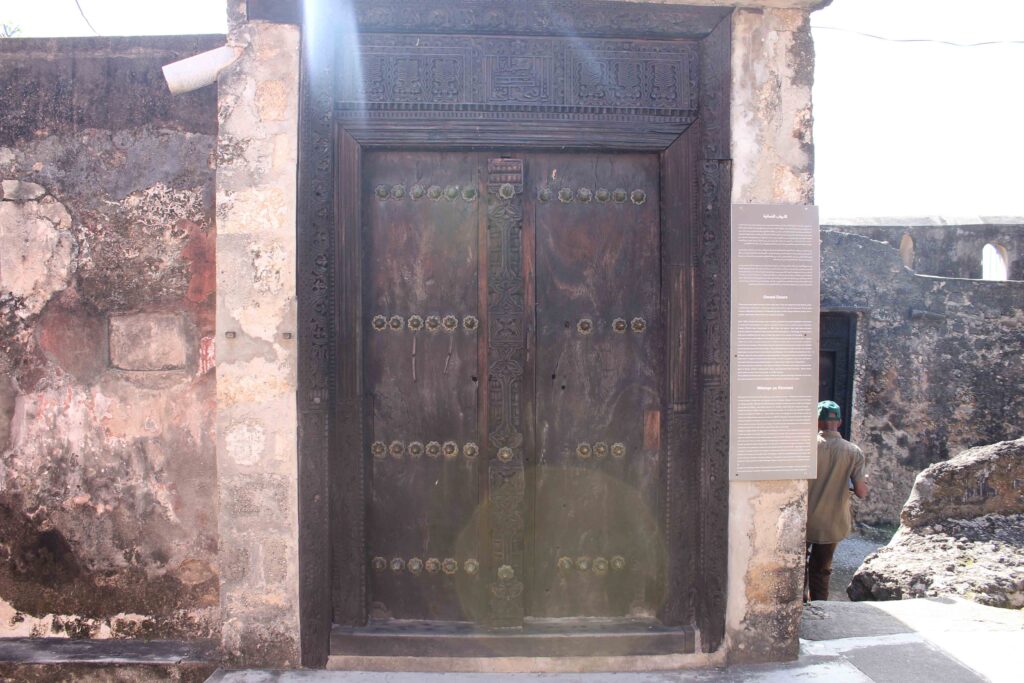
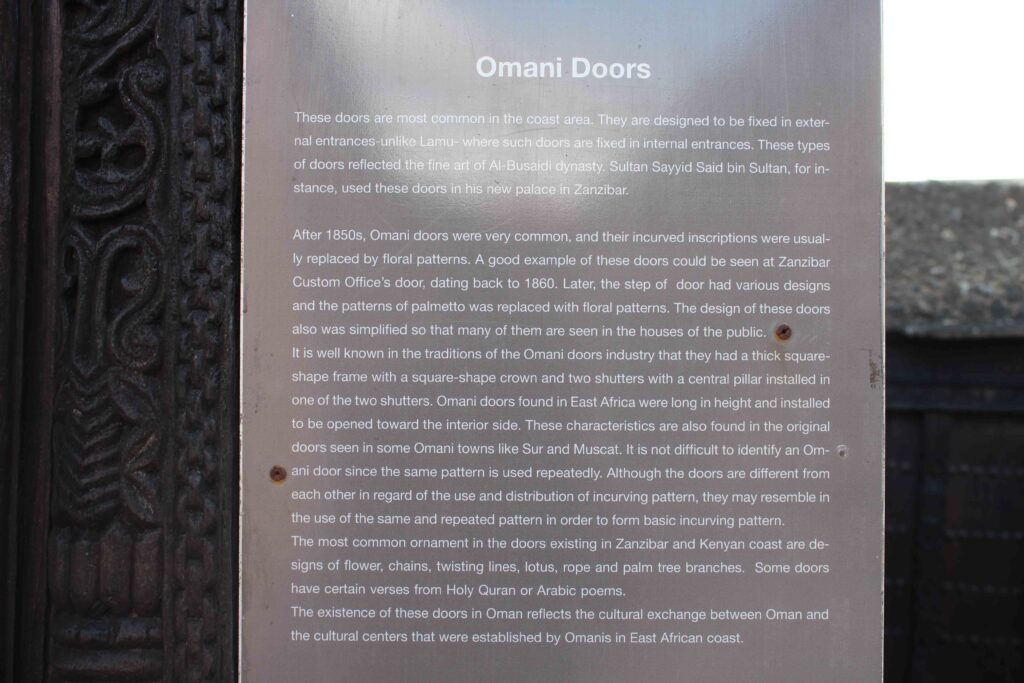
The legacy of the trade is seen today in the chain motifs carved into doors (representing homes of slave traders) in Mombasa Old Town.
Our passion for nature and travel is reflected in our understanding of the need to experience the natural environment in a sustainable and unique way.
Our commitment to you is “The Perfect Balance between Nature & Discovery, Adventure & Luxury”…